

Learning Library
A growing shelf of the books, ideas, and science we’re learning from — broken down into honest, bite-sized reflections for parents, carers, and teachers. Pick a topic below to find what fits your week, or scroll the lot.
Not sure where to start?
Answer a few quick questions and we’ll point you to the post, book, or resource that fits what you’re looking for today.
Why Reflective Journalling Matters for Parents of Neurodivergent Children
Key Idea: Reflective journalling is more than writing about your day. It is a way to pause, process your emotions, and make sense of your experiences as a parent – without judgement. Writing helps you slow down, reflect, and respond with more intention instead of reacting in the moment.
Why “High-Functioning” and “Low-Functioning” Labels Don’t Work
Key Idea: “High-functioning” means your struggles are invisible, so we will not support you. “Low-functioning” means we do not expect anything from you. Neither label helps. Describe specific strengths and specific support needs instead.
The 8 Senses: Understanding Your Autistic Child’s Sensory World
Key Idea: Your child has eight senses, not five. Understanding the vestibular, proprioceptive, and interoceptive systems explains so much of what gets labelled as “difficult behaviour.” When you know all eight senses, the behaviour starts to make sense.
Autopia: What Would the World Look Like If It Were Designed for Autistic People?
Key Idea: Dr Luke Beardon imagines a world designed for autistic people – called Autopia. The point is to notice how much of the “difficulty” of autism is actually created by the environment, not the child. When we change the world instead of the child, everything shifts.
Can’t vs Won’t: The Shift That Changes Everything
Key Idea: When a child “won’t” do something, it often means they can’t. ADHD affects the brain’s executive functions, making starting, stopping, and remembering genuinely hard. Swapping “won’t” for “can’t” changes everything.
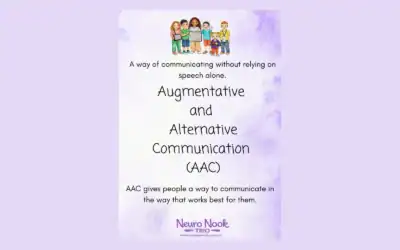
What is AAC?
Key Idea: AAC (Augmentative and Alternative Communication) gives people access to communication beyond speech — through signs, visuals, devices, and more. When communication is accessible, everything else becomes more accessible too.
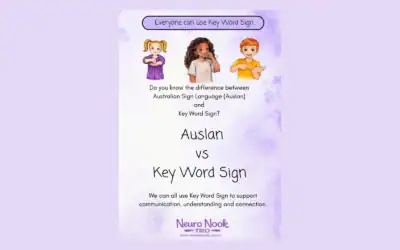
What is Auslan and What is Key Word Sign?
Key Idea: Auslan is a complete language used by the Deaf community. Key Word Sign is a communication support that uses signs alongside speech. Same signs — different purpose. Knowing the difference helps us use each one respectfully.
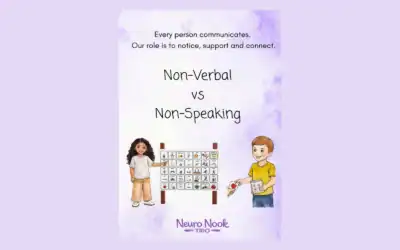
There’s More Than One Way to Be Heard
Key Idea: “Non-verbal” and “non-speaking” are often used interchangeably, but they mean different things. Understanding the difference changes how we see, respond to, and support communication in all its forms.
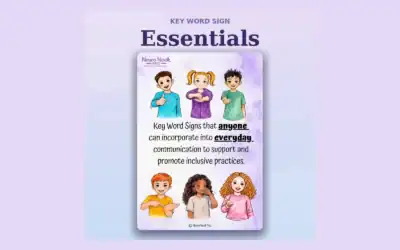
The Small Signs That Make Communication Feel Possible
Key Idea: When spoken words feel out of reach, Key Word Sign offers another way in — pairing simple signs with speech so communication stays possible, inclusive, and part of everyday life.
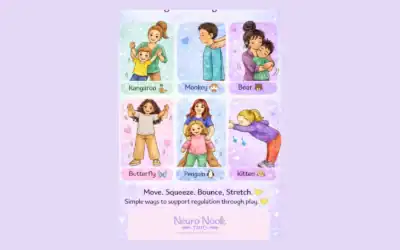
Sensory Seeking vs Sensory Avoiding
Key Idea: Some nervous systems seek sensory input (crashing, spinning, big noise) while others avoid it (soft tags, quiet rooms). Understanding which is which helps us meet kids where they actually are, not where we expect them to be.