
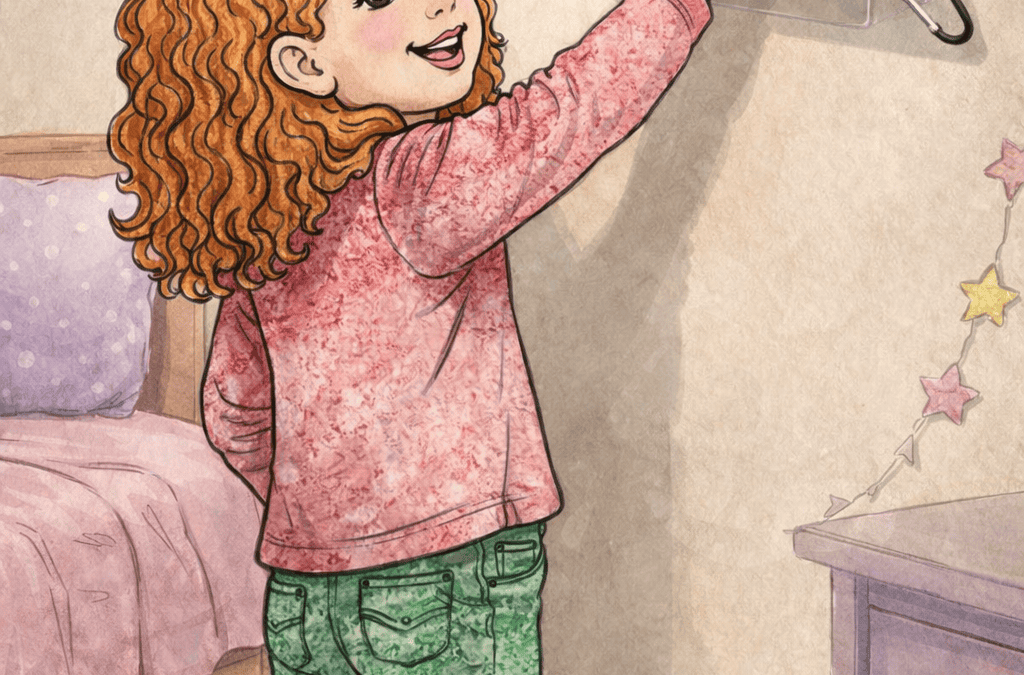
Lights, Stims, Action!
Neurodivergent children often flick lights on and off as a form of “stimming” (self-stimulation) to help manage sensory input, regulate emotions or enjoy visual patterns. This repetitive behavior can be soothing, helping them cope with overstimulation or anxiety, and allows them to explore cause-and-effect in a predictable way. However, it can become challenging, especially when it’s time to sleep.
From Flicker Chaos to Calm
We tried all kinds of creative ways to deter our child—taping the switch, blocking access—but then the dilemma arose: how do you turn the light on and off when you actually need to? And despite their fine motor challenges, children often find a way to peel the tape off. It wasn’t until we saw a mother across the world share a video about a light switch guard on social media that we discovered a practical solution. After a bit of research to find the right fit for Australian light switches, we found one that works perfectly. The guard covers the switch so it can’t be flicked accidentally or during play, but the light can still be easily turned on and off by lifting the guard. It’s been a simple, effective fix that took one less thing off our plate.