
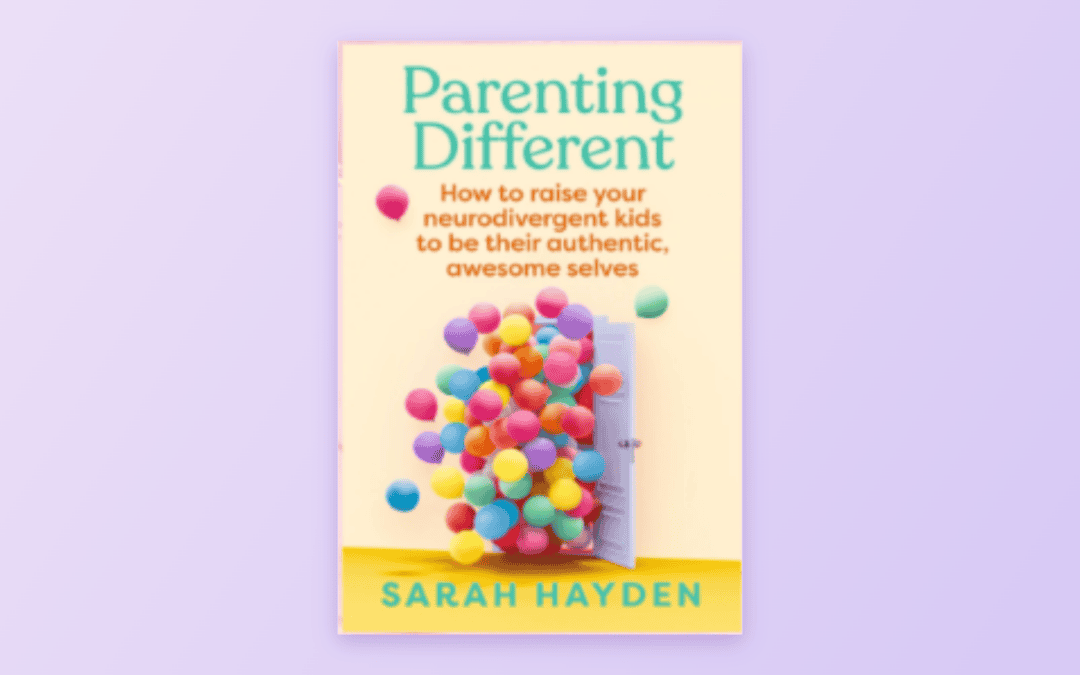
Inspired by Parenting Different: How to Raise Your Neurodivergent Kids to Be Their Authentic, Awesome Selves by Sarah Hayden.
If you’re parenting a neurodivergent kid (or two, or three), you’ll know there’s no tidy manual that fits every child. But Sarah Hayden’s Parenting Different comes close to the kind of honest, no-fluff guidance we wish every parent had on day one.
Here are 14 takeaways we keep coming back to — seven things to lean into, and seven to leave behind.
7 Parenting Do’s
1. Love what they love — or at least fake an interest in it. Their special interests are a window into how their brain lights up. Climb through it.
2. Accept your child, quirks and all. Not the version you imagined. The one in front of you.
3. Create a safe home where their needs are met, and they know — without question — that they are loved and supported.
4. Prioritise your kid’s comfort and wellbeing over the opinions of others. Strangers at the supermarket don’t have to live your child’s life.
5. Put their mental health above everything else. Every single thing.
6. Understand their particular sensory sensitivities and executive dysfunction. The more you know about how their brain works, the less of a battle daily life becomes.
7. Stand your ground with ‘experts’. You know your child. Advocate loudly.
7 Parenting Don’ts
1. Don’t dismiss your kid’s special interests. Even the ones you find baffling, repetitive, or extremely niche.
2. Don’t hide your kid’s diagnoses — or ask them to hide them. Shame grows in secrecy.
3. Don’t be negative about your kid’s neurodivergence. They’re listening. Always.
4. Don’t play the victim or slip into ‘autism mum’ martyrdom. This story isn’t about you.
5. Don’t trivialise your child’s mental wellbeing. Big feelings in small bodies are still big feelings.
6. Don’t misinform your kids about their neurodivergence. Give them accurate, age-appropriate language for who they are.
7. Don’t be ignorant — educate yourself. Read the books. Follow the creators. Listen to neurodivergent adults. Keep learning.
🤍 The throughline in all of this? Your kid doesn’t need you to fix them. They need you to see them — and to build a world around them where being themselves is safe, celebrated, and completely enough.