Neurocreative
Creative activities designed for neurodivergent minds
Why creativity matters
Creative activities offer a way to express ourselves without the pressure of "getting it right." Art can be a powerful tool for emotional regulation, self awareness, sensory exploration and building confidence for both children and adults. Each activity below is designed to be flexible — adjust it to suit your needs, energy and interests. They nurture creativity, build confidence and support sensory and emotional regulation through art-based play, with tips included for simplifying or extending the experience.
Emotional Expression
Art gives feelings a safe outlet when words feel too big or hard to find.
Flexible Thinking
Creative play builds problem-solving and invites new ways of seeing things.
Fine Motor Skills
Hands-on activities strengthen coordination, grip and everyday dexterity.

Calm & Regulation
Repetitive, sensory-rich art-making soothes the nervous system and grounds the body.
Activities
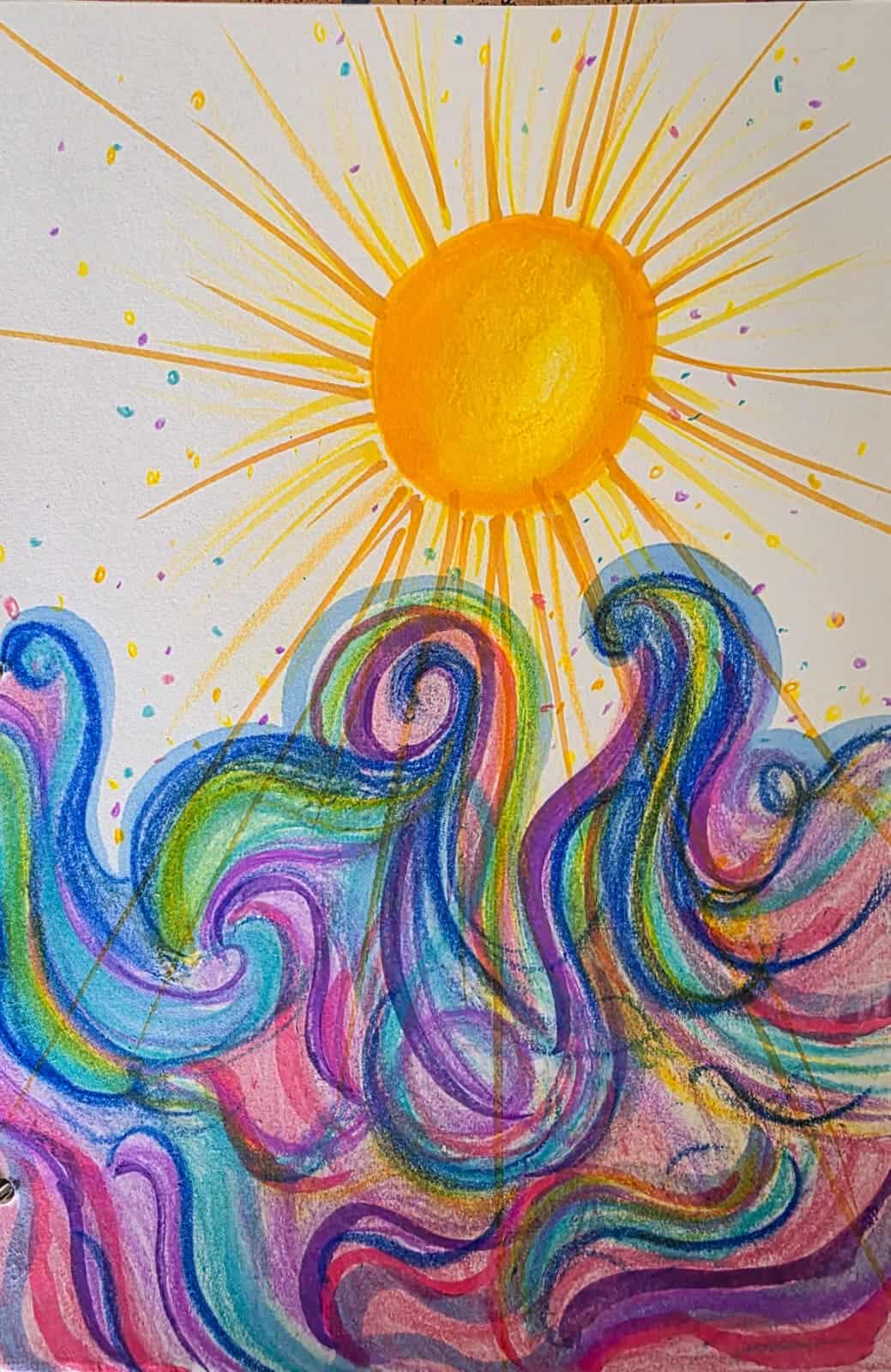
Mr Squiggle — Finish the Drawing
Start with a random squiggle and turn it into something! This classic activity builds creative thinking, flexible problem solving, and the confidence to try without a “right answer.”
WANT TO SIMPLIFY?
Use big, simple squiggles. Let the child describe what they see before they start drawing.
LOOKING FOR A STRETCH?
Set a timer — can they turn 5 squiggles into a full scene? Add a story to go with it.
🧠 Brain Benefit This activity supports emotional regulation by using repetitive, rhythmic movements to calm the nervous system. As children transform simple scribbles into meaningful images, it also strengthens imagination, flexible thinking and the brain's ability to shift from chaos into creativity. This process can help release built-up energy while building a sense of control, safety and creative confidence.
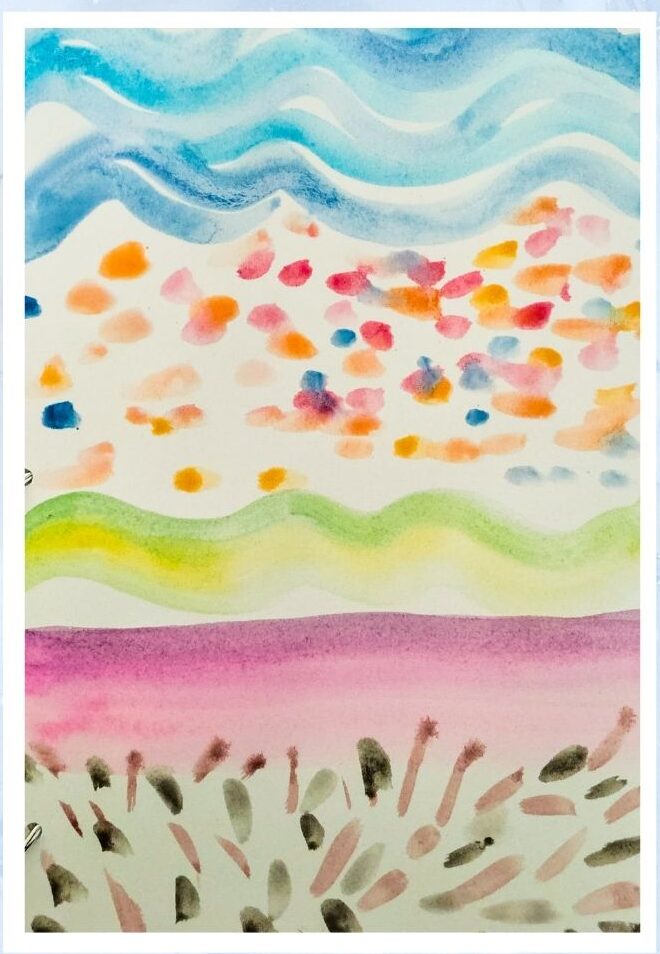
Emotion Lines — Drawing Your Feelings
Use colours, shapes and lines to express different emotions. This activity helps children explore and communicate feelings through abstract art — no drawing skills needed!
WANT TO SIMPLIFY?
Start with just two emotions (e.g. happy and angry). Use only crayons or markers to keep it simple.
LOOKING FOR A STRETCH?
Create a full “feelings gallery” with labels. Discuss what colours and shapes feel like for each emotion.
🧠 Brain Benefit This kind of repetitive, expressive mark-making helps regulate the nervous system and can gently activate the parasympathetic response — supporting the brain to move from overwhelm into a calmer, more grounded state.
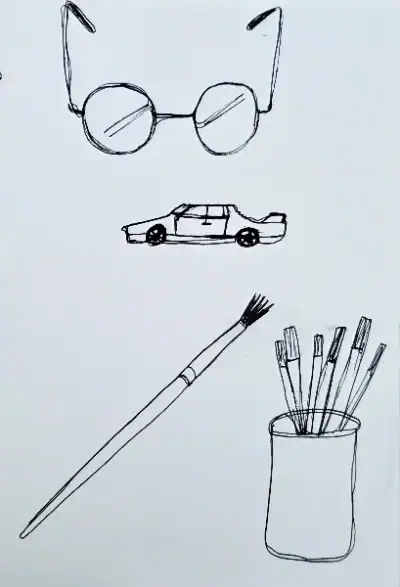
Continuous Line Drawing
This simple activity can be done at any point in the day and is a powerful way to build focus, patience and creative flow. Start with 3 slow, deep breaths, choose 4 everyday objects, and draw each one in one continuous line without lifting your pen.
WANT TO SIMPLIFY?
Choose a really simple object — slowly trace it with your eyes and let your hand follow in one continuous line. Lift your pen if needed, just copy the details!
LOOKING FOR A STRETCH?
Draw without looking at your paper — keep your eyes only on the object. Add colour or patterns over your line with textures or repeating shapes.
Brain Benefit: Continuous line drawing strengthens focus and concentration by engaging sustained attention. It supports hand-eye coordination and encourages the brain to stay present, gently reducing overthinking.
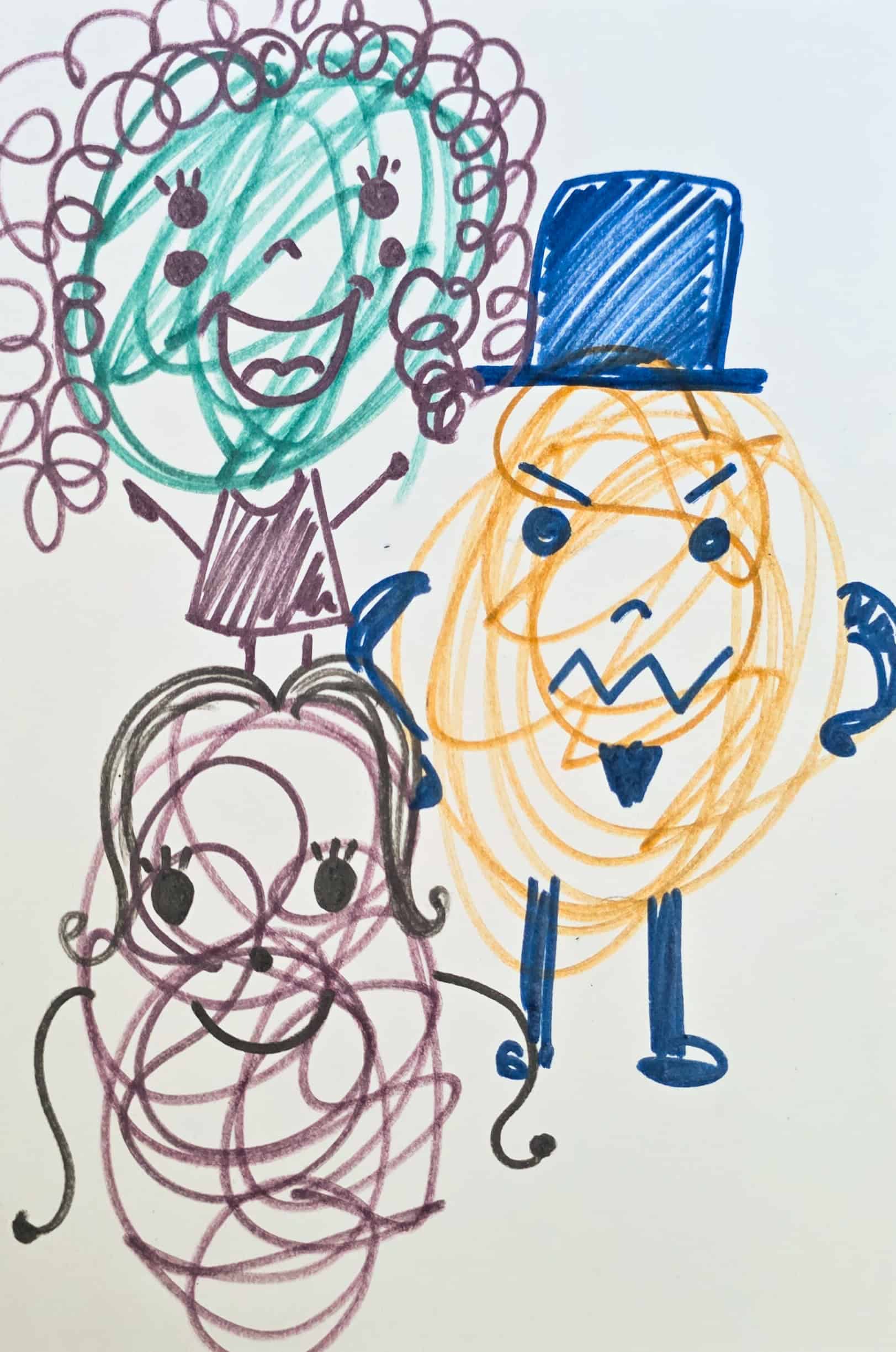
Scribble Monsters
Turn big feelings into playful creatures! Scribble freely, then find shapes hiding inside and transform them into wild, expressive monsters — a fun way to release energy and build emotional expression.
WANT TO SIMPLIFY?
Just scribble freely — no need to turn it into anything. Use one colour and focus on the movement of your hand.
LOOKING FOR A STRETCH?
Create a whole family of scribble monsters — each one can show a different feeling. Add a story — who is your monster? What do they feel? What do they need?
Brain Benefit: Scribbling helps release built-up energy and emotions in a safe, physical way. It supports emotional expression, reduces tension in the body and can help regulate the nervous system. Turning scribbles into characters also engages imagination and flexible thinking, helping shift the brain from overwhelm into creativity and play.
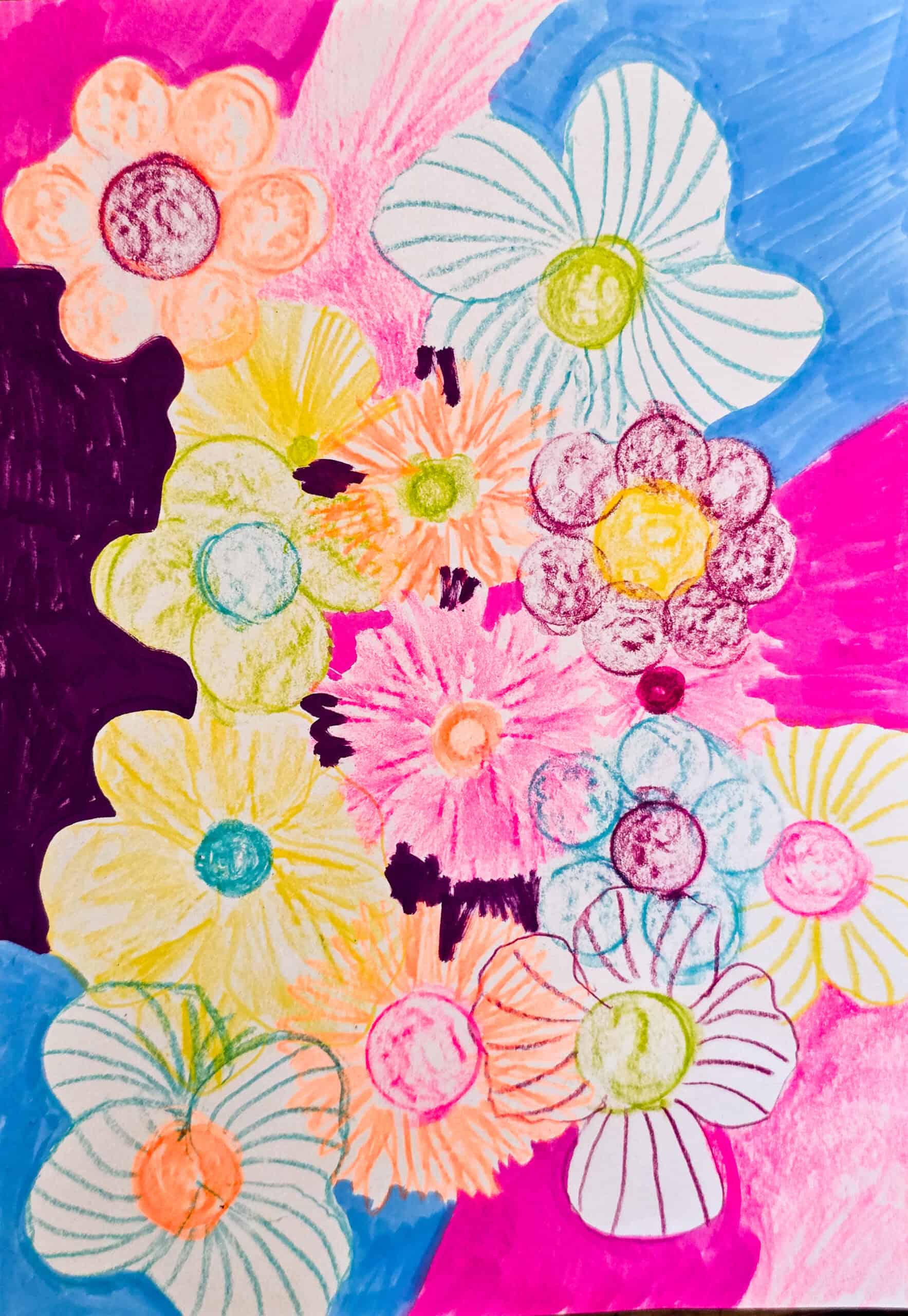
Texture Rubbings
Explore your world through touch and pattern! Place paper over interesting textures, rub gently with crayons and watch beautiful patterns appear — a calming, sensory-rich activity for all ages.
WANT TO SIMPLIFY?
Focus on just one object — explore how it feels and looks on paper. Use tracing only — follow the shape to create simple images.
LOOKING FOR A STRETCH?
Combine tracing and rubbings — layer shapes to build detailed images like flowers or patterns. Create a full scene — use your textures to design a garden, landscape or imaginative world.
Brain Benefit: Texture exploration engages the sensory system while supporting focus and attention. Combining touch, rubbing and tracing strengthens fine motor skills and hand control, while encouraging creativity and flexible thinking. This process also helps the brain make connections between abstract textures and familiar shapes, supporting imagination and visual processing.

Mirror Drawing
Draw on one side, then mirror it on the other! This simple activity builds focus, coordination and connection between both sides of the brain.
WANT TO SIMPLIFY?
Draw very basic shapes - circles, lines or waves. Try tracing over the original drawing instead of copying it.
LOOKING FOR A STRETCH?
Create a full symmetrical design - turn it into a butterfly, face or pattern. Use both hands at once to draw mirrored shapes simultaneously.
Neurocreative #6
Brain Benefit: Mirror drawing strengthens coordination between the left and right hemispheres of the brain. It supports focus, visual tracking and fine motor skills while encouraging creative expression and spatial awareness.

Imagine a Flower
Start with a real flower, then draw it your own way! This open-ended activity encourages divergent thinking and builds confidence in original ideas.
WANT TO SIMPLIFY?
Start with a real flower, then change one thing about it. Draw your favourite colours and shapes without worrying if it looks like a flower.
LOOKING FOR A STRETCH?
Create a whole world for your flower - where does it grow? Who visits it? Invent a new species with a name, special powers and a story.
Neurocreative #7
Brain Benefit: Open-ended drawing encourages divergent thinking - the brain's ability to generate multiple ideas, solutions and possibilities. It strengthens imagination, creativity and cognitive flexibility while helping children move beyond "right" and "wrong" thinking. Activities like this build confidence in original ideas and support innovative problem-solving skills.

Playdough Picture Making
Transform simple playdough shapes into imaginative pictures! This playful activity strengthens visual-spatial skills, fine motor development and creative thinking.
WANT TO SIMPLIFY?
Use just 2-3 shapes to create a simple picture such as a flower, house or fish. Trace around one shape multiple times to see what different things it can become.
LOOKING FOR A STRETCH?
Create a whole scene - a garden, underwater world or magical kingdom. Use the same shapes to create three completely different pictures.
Neurocreative #8
Brain Benefit: This activity strengthens visual-spatial skills as children learn to see how individual shapes can combine to create something new. Tracing and drawing around the playdough supports hand strength, pencil control and fine motor development, while transforming shapes into pictures builds creativity, flexible thinking and problem-solving skills.

A Tiny Door
This activity encourages imagination, storytelling and creative problem-solving. Start with 3 slow, deep breaths, then draw a tiny door somewhere on your page - in a tree trunk, at the bottom of a mushroom, inside a cloud or hidden in a rock. Ask yourself: who lives behind the door? What might happen if you stepped inside? Let the story unfold through your drawing.
WANT TO SIMPLIFY?
Let an adult draw the door - you decide who lives there and what their world looks like. Or build the story together, taking turns adding one new idea at a time.
LOOKING FOR A STRETCH?
Create a map of the world behind the door. Or draw what happens before and after someone opens it.
Neurocreative #9
Brain Benefit: This activity strengthens imagination, storytelling and abstract thinking. Creating a world from a single prompt encourages the brain to make connections, generate ideas and think beyond what is immediately visible. Building stories also supports language development, perspective-taking and flexible thinking as children explore different characters, environments and possibilities.

Intuitive Finger Painting
This sensory-rich activity encourages you to slow down, stay present and create without overthinking. Choose four paint colours. Start with 3 slow, deep breaths. Dip one finger into your first colour and paint a line across your page. Alternate colours and fingers, letting shapes emerge naturally. Then fill each section with a colour that isn’t touching it.
WANT TO SIMPLIFY?
Use just two colours and focus on exploring the movement of your fingers. Or fill in the spaces with any colours you like before trying the colour challenge.
LOOKING FOR A STRETCH?
Add patterns, dots or lines inside each coloured section once the paint is dry. Or challenge yourself to create the entire artwork using one continuous line without lifting your finger.
Neurocreative #10
Brain Benefit: This activity strengthens sustained attention by encouraging children to stay present with each movement rather than planning ahead. Alternating fingers supports finger awareness and fine motor coordination, while the colour challenge develops cognitive flexibility, working memory and problem-solving skills. Creating intuitively also helps reduce self-monitoring, allowing the brain to shift into a creative flow state.

Paint the Music
This expressive activity invites you to slow down, tune into sound and let music guide your creativity. Choose a few songs with different tempos and moods. Start with 3 slow, deep breaths. As you listen, let the music guide your brushstrokes across the page. Don’t try to paint a picture - paint what the music feels like. Notice how your movements change as each new song begins.
WANT TO SIMPLIFY?
Listen to just one piece of music and explore how it makes your hand want to move. Or use one colour and focus on matching your brushstrokes to the rhythm.
LOOKING FOR A STRETCH?
Listen to four or five different songs and create a section for each on the same page. Or once the painting is dry, look closely at the shapes and turn them into pictures by adding details.
Neurocreative #11
Brain Benefit: This activity strengthens the connection between auditory processing, movement and creative expression. Translating sound into paint encourages cognitive flexibility as the brain shifts between listening, feeling and creating. Responding to changes in rhythm, tempo and mood also supports emotional awareness, sustained attention and self-expression.
More activities coming soon!
We're always creating new neurocreative activities. Check back regularly for fresh ideas. Keep up to date with new video releases via Instagram.